
Model of the month Juli 2026
A rare bird:
The L.W.S. RWD-14 Czapla (Heron)
From the original to the model
A distinct part of the collections at the Hannover-Laatzen Aviation Museum comprises more than 1,000 scale models, primarily in the international standard scales of 1/72, 1/48 and 1/32.
Such true to original miniatures allow visitors to the museum’s history of technology to gain an ‘overview’, not only of individual exhibits (sometimes even as the sole opportunity for a real three-dimensional view when no original remains), but also of the development of aircraft construction through the sequencing and comparison made possible here. Their craftsmanship alone is a delight to behold.
Today, in our ‘Model of the Month’ section, we present the Polish close-range reconnaissance and liaison aircraft L.W.S. RWD-14 Czapla of 1935. Built in a run of just 65 examples and serving in active duty for only six months, this two-seater high-wing aircraft was very similar in design and role to the German Henschel Hs 126.
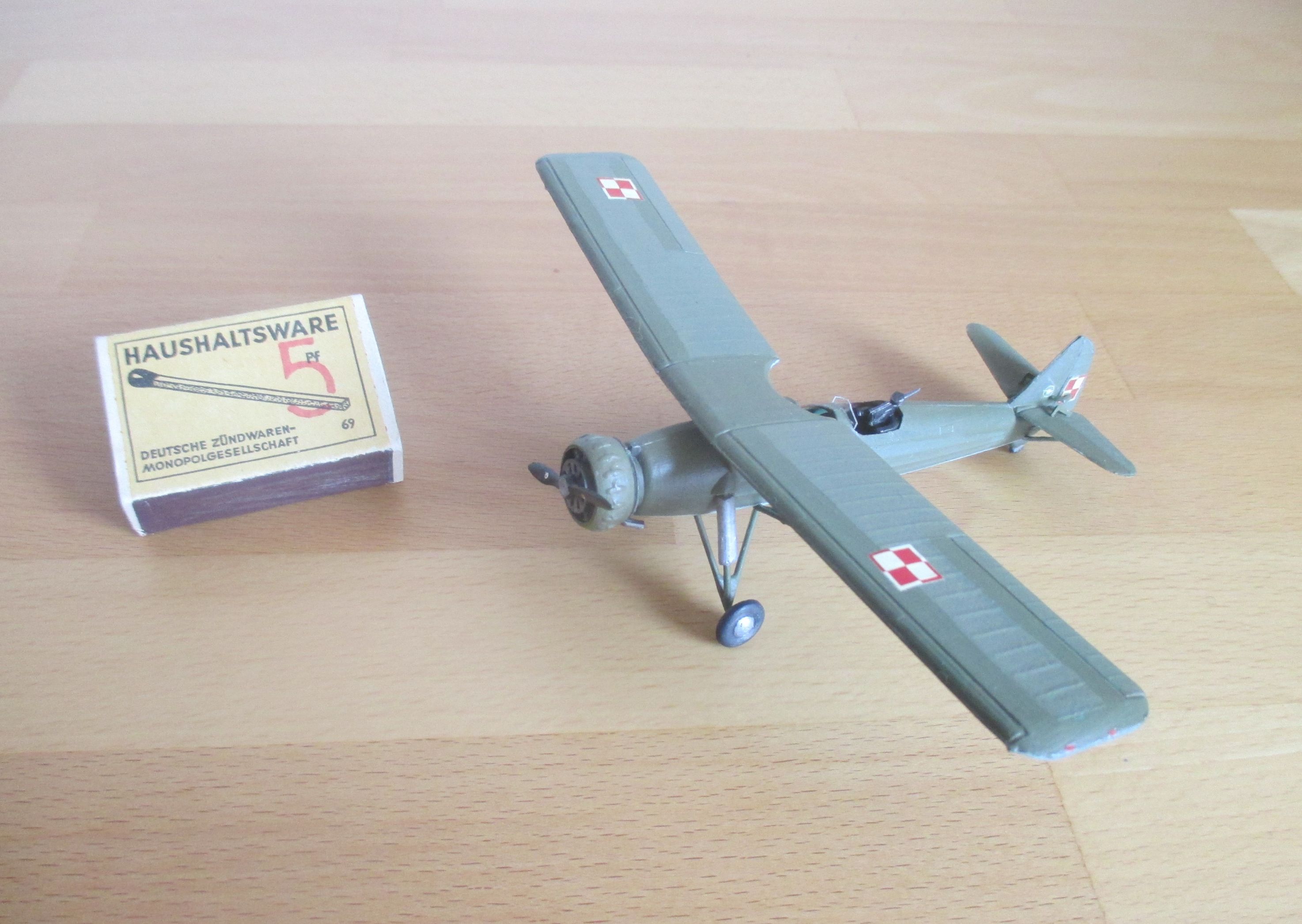
The model
Drawn from the museum’s extensive collection of historic kits, this 1/72 scale model was built – 50 years after it was first produced! Beautifully detailed and well-designed for its time, the challenging kit – comprising around 45 parts plus a decal sheet – nevertheless featured rather thick sprues and joints, and a high-wing aircraft always demands a steady hand and strong nerves in miniature model-making…
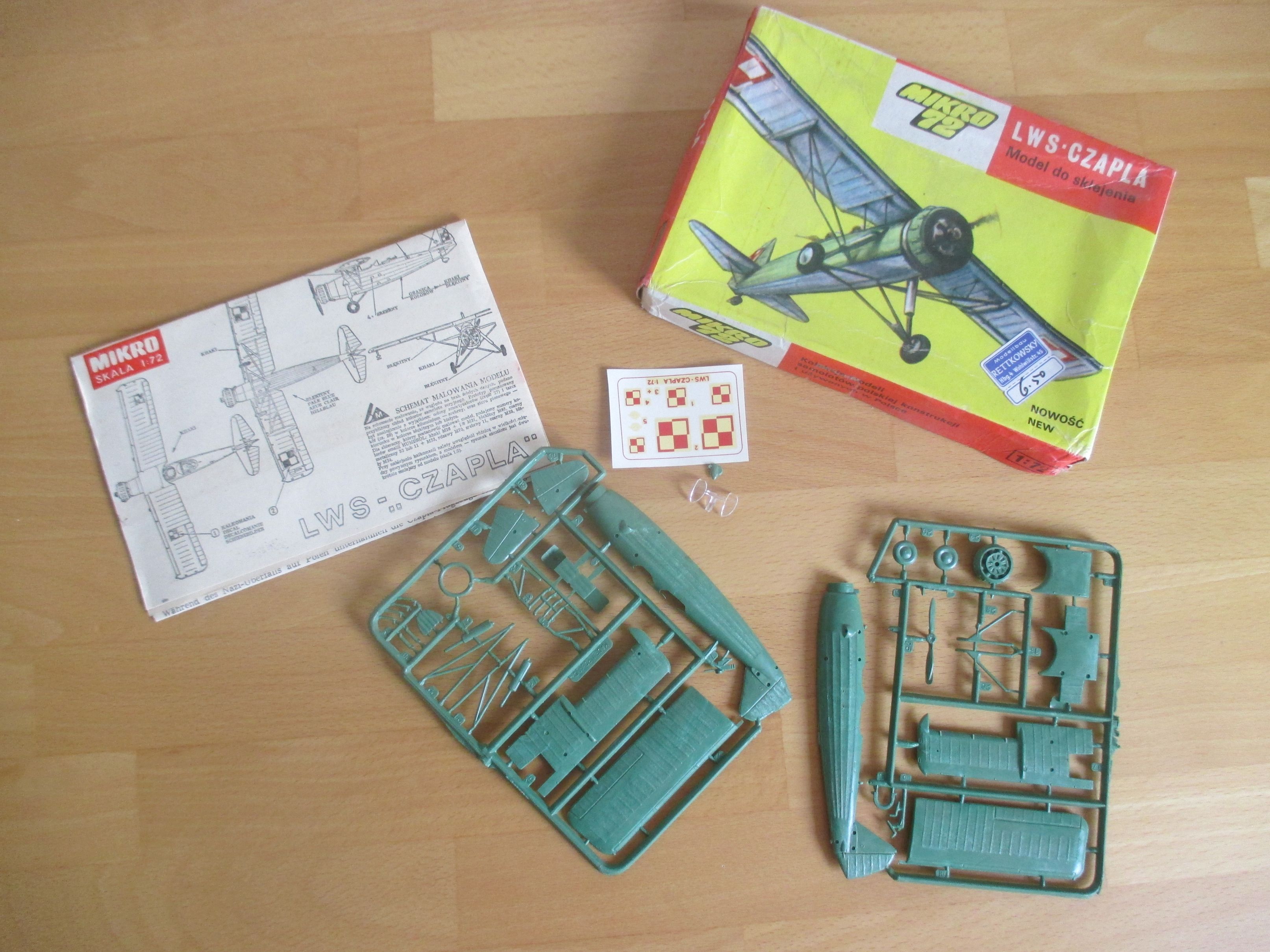
The RWD-14 in 1/72 scale by ZTS Plastyk. The kit, hailing from the original’s homeland, dates from 1976 – and boasted the quality typical of Western kits at the time.
The Original
The maiden flight of this two-seater, strut-braced, single-engine high-wing monoplane took place in 1935. Following two accidents during testing and a redesign of the tail unit, the aircraft did not enter series production for the Polish Air Force until 1938. 65 ordered aircraft were built by 1939 and delivered to the units.
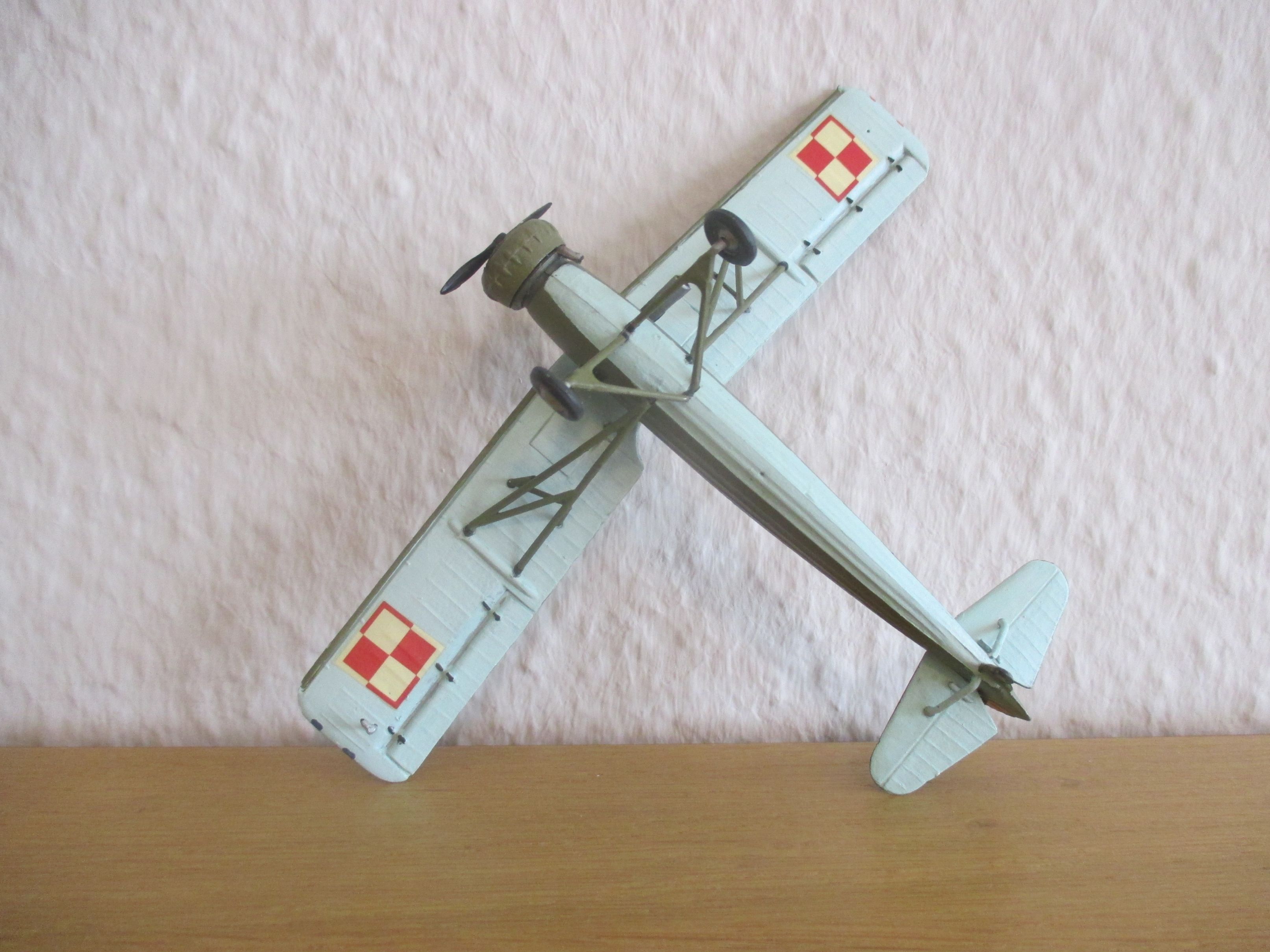
The close-range reconnaissance and liaison aircraft, constructed using a mixed-structure design with a fixed landing gear, lived up to its name: Slim, elegant and long-legged, it certainly resembled a heron. The slats and large wings and control surfaces provided excellent short take-off and landing characteristics, whilst the high-wing design offered a very good view of the ground.
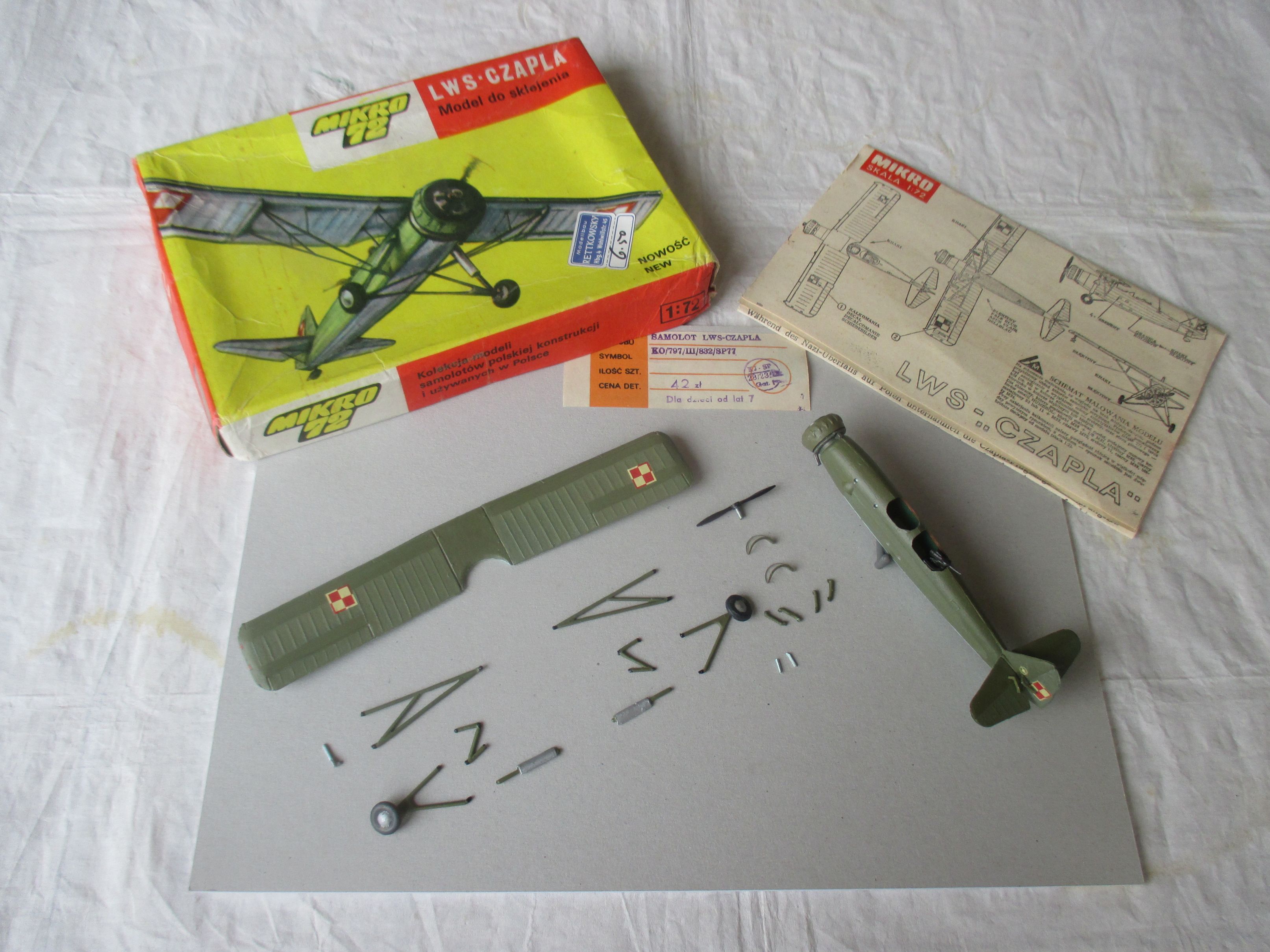
During the German-Polish War of September 1939, the aircraft served as close-range reconnaissance, liaison and courier aircraft for the Polish high command. Almost all were lost in the fighting; their relatively low top speed and light armament would have required air superiority, which the German Luftwaffe held in this conflict. And so the Czapla remained a rare bird in aviation history…
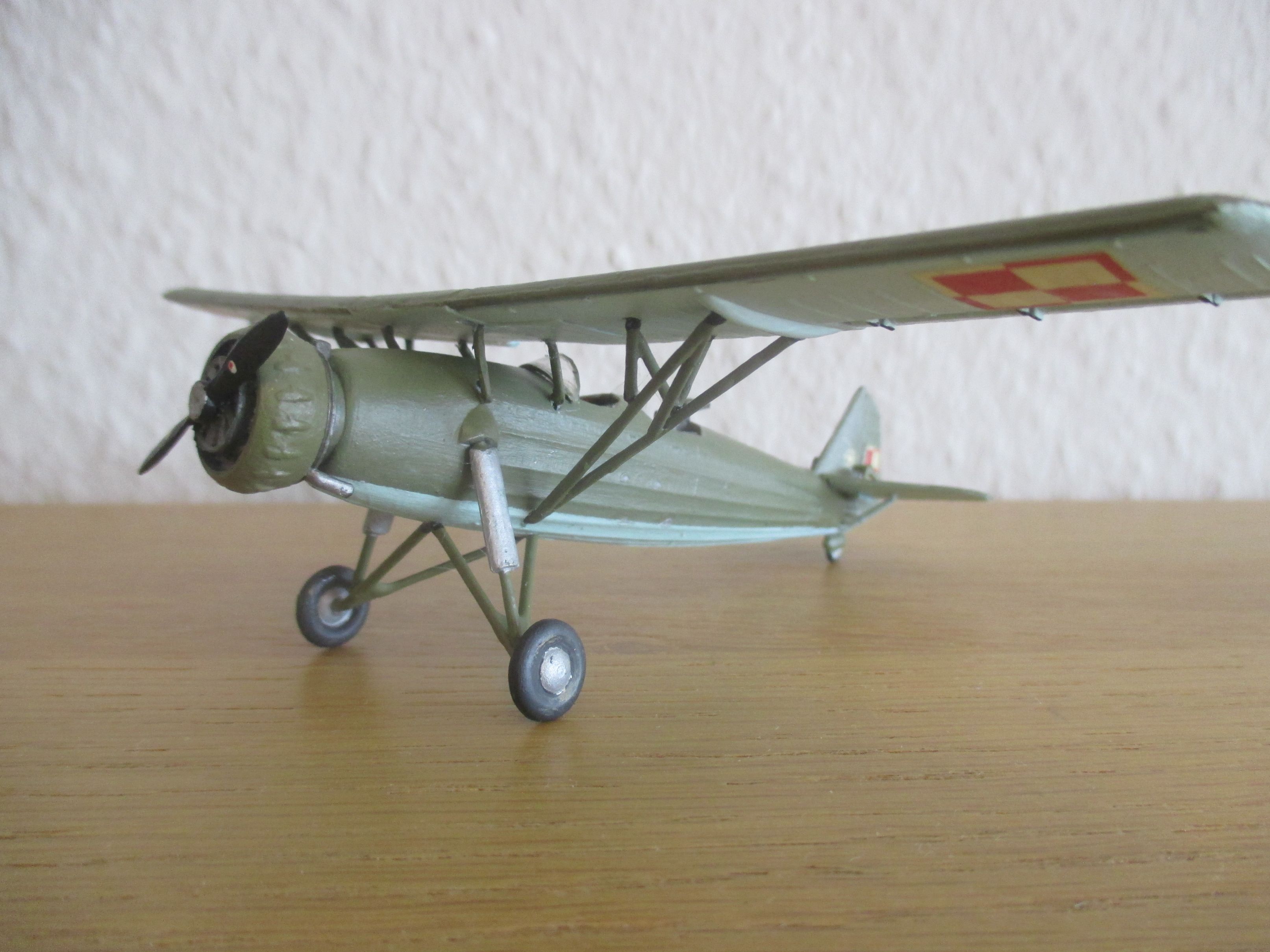
Technical specifications of the L.W.S. RWD-14 ‘Czapla’
Single-engine strut-braced high-wing monoplane of mixed construction with fixed landing gear. Length 9.00 m, wingspan 11.90 m, empty weight 1,225 kg, take-off weight 1,700 kg, 1 x PZL G-1620 B nine-cylinder radial engine with 470 hp, two-bladed fixed propeller. Maximum speed 245 km/h, crew 2, armament 1–2 x 7.7 mm machine guns. The 65 aircraft built were in active service from spring to autumn 1939.
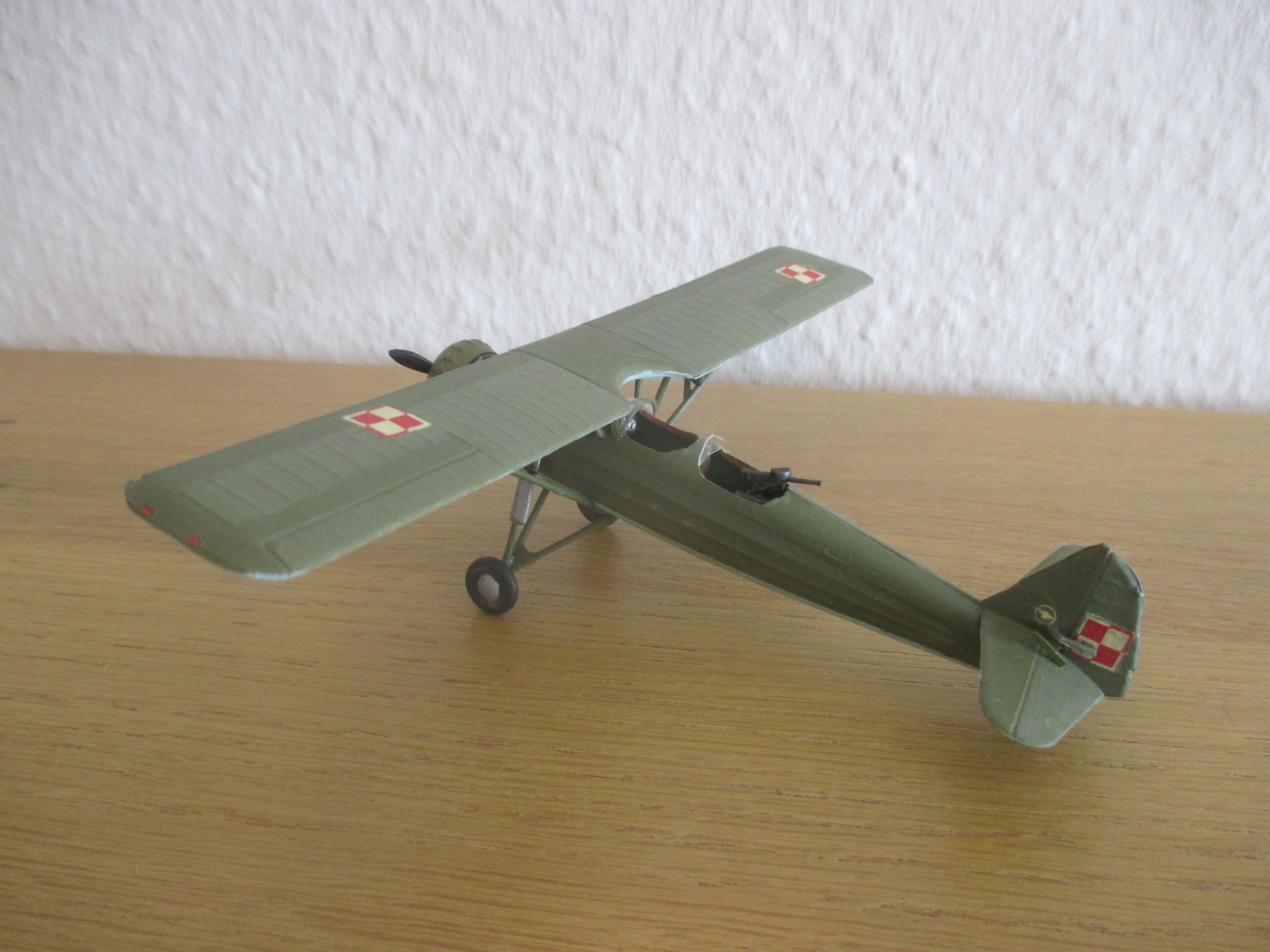
The asymmetrically placed national insignia on the wings were a common feature on Polish aircraft in 1939. The observer’s 7.7 mm machine gun proved insufficient to fend off German fighters.
Come on in!
Have we managed to pique your curiosity about our collections, featuring over 40 original and faithful replicas of gliders, light aircraft, commercial aircraft and military aircraft, twice as many engines and hundreds of pieces of equipment, as well as our model collection? Then we look forward to welcoming you to Ulmer Straße at the Hanover Exhibition Centre!
sb
You can contact the author of the Model of the Month series here: Autor-MdM