
Model of the month March 2026
In the sea of air ...
The Dornier Do 18
From the original to the model
The more than 1,000 scale models, primarily in the international standards 1/72, 1/48, and 1/32, constitute a separate part of the collections of the Aviation Museum Hannover-Laatzen.
These authentic miniatures give visitors to the museum an overview of the history of technology, not only of individual exhibits (sometimes the only opportunity to see a real three-dimensional view if no original has been preserved), but also of developments in aircraft construction through the possibility of serialisation and comparison. Their craftsmanship alone is a feast for the eyes.
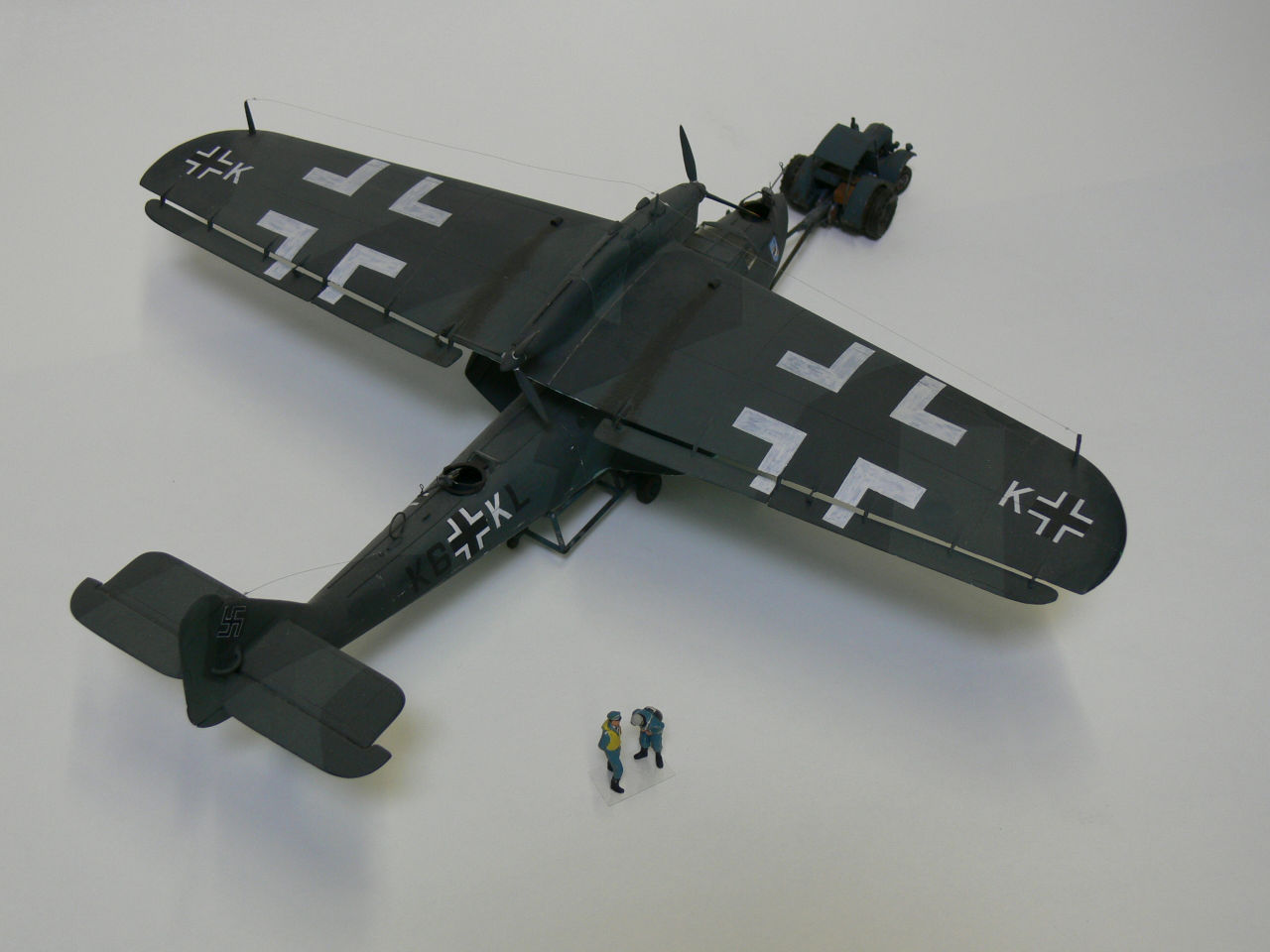
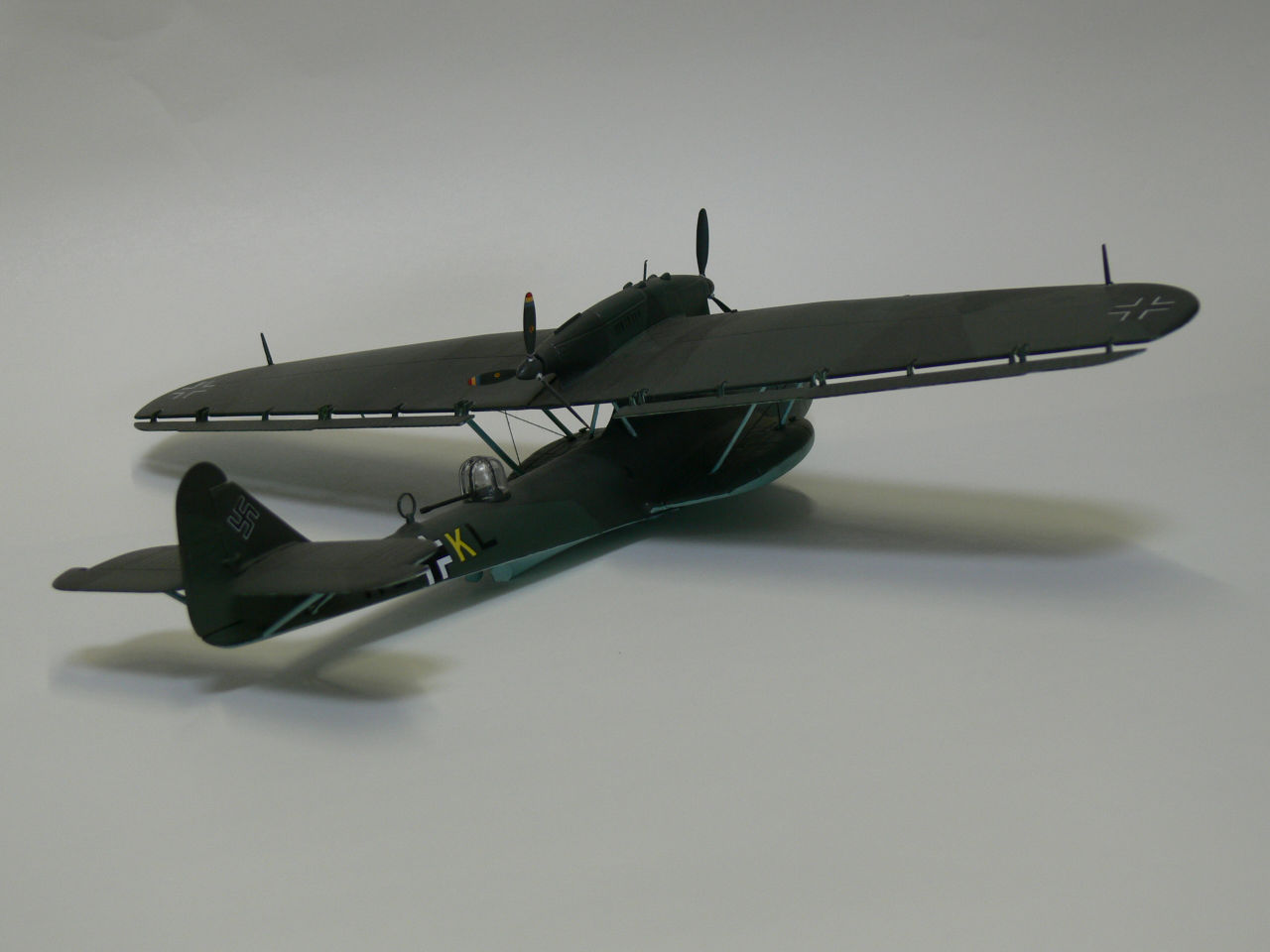
Today, we present the Dornier Do 18 from 1935 as our ‘Model of the Month’. The elegant twin-engine seaplane was the successor to the globally successful Do J ‘Wal’ and remained in civilian and military service until 1945.
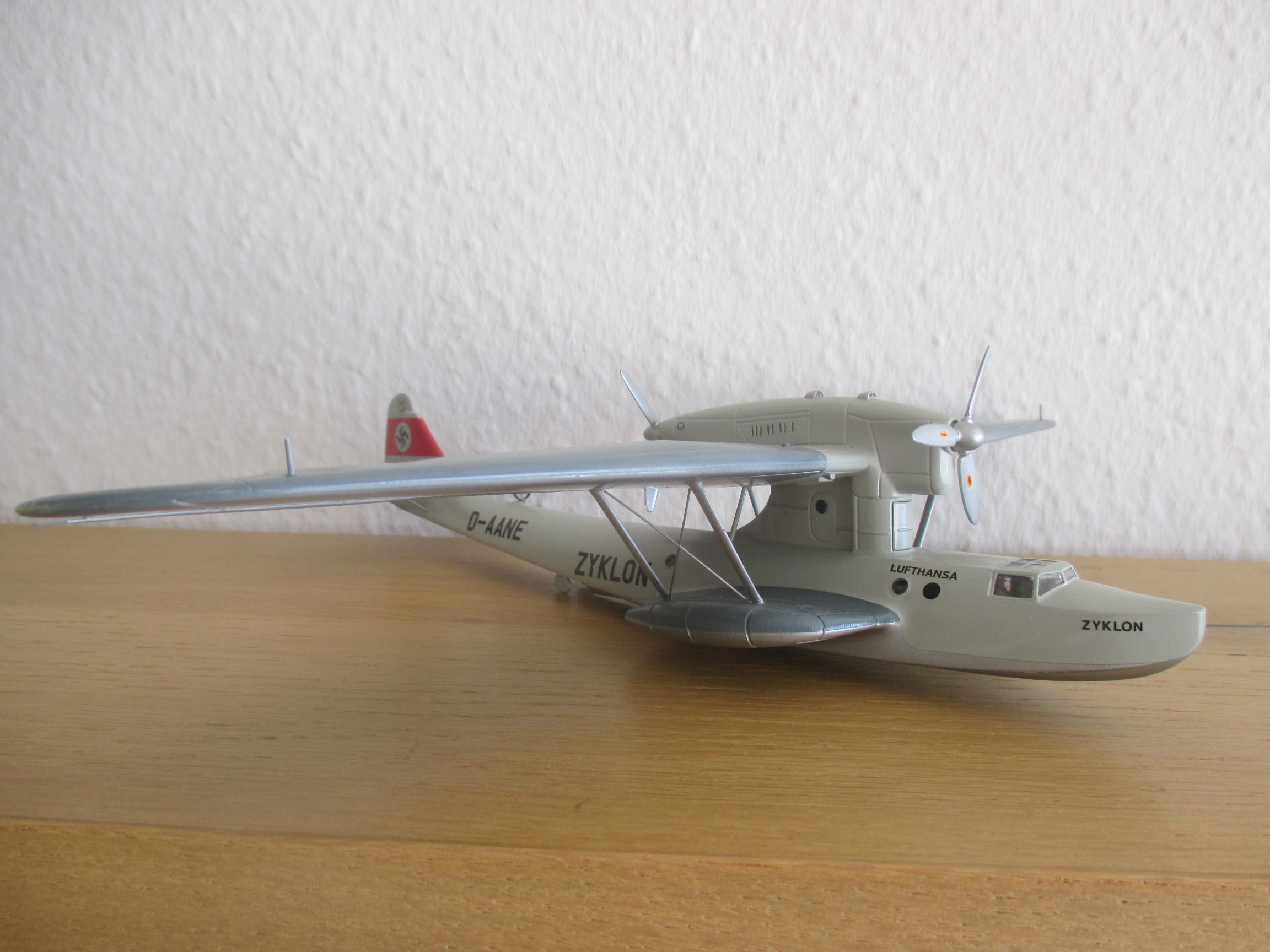
The model
The Aviation Museum displays various versions and uses of this aircraft type in 1/72 scale, including in dioramas, in its display cases in Hangar2.
Kits of the aircraft in 1/72 scale were launched by Matchbox and Revell in 1979, complementing the Vacu-Kit from Airmodel. Nevertheless, the Do 18 is one of the rarer types in the international model-making portfolio. The miniatures in the museum were built by Karl Kössler, Friedrich Moch and Günter Gelbke.
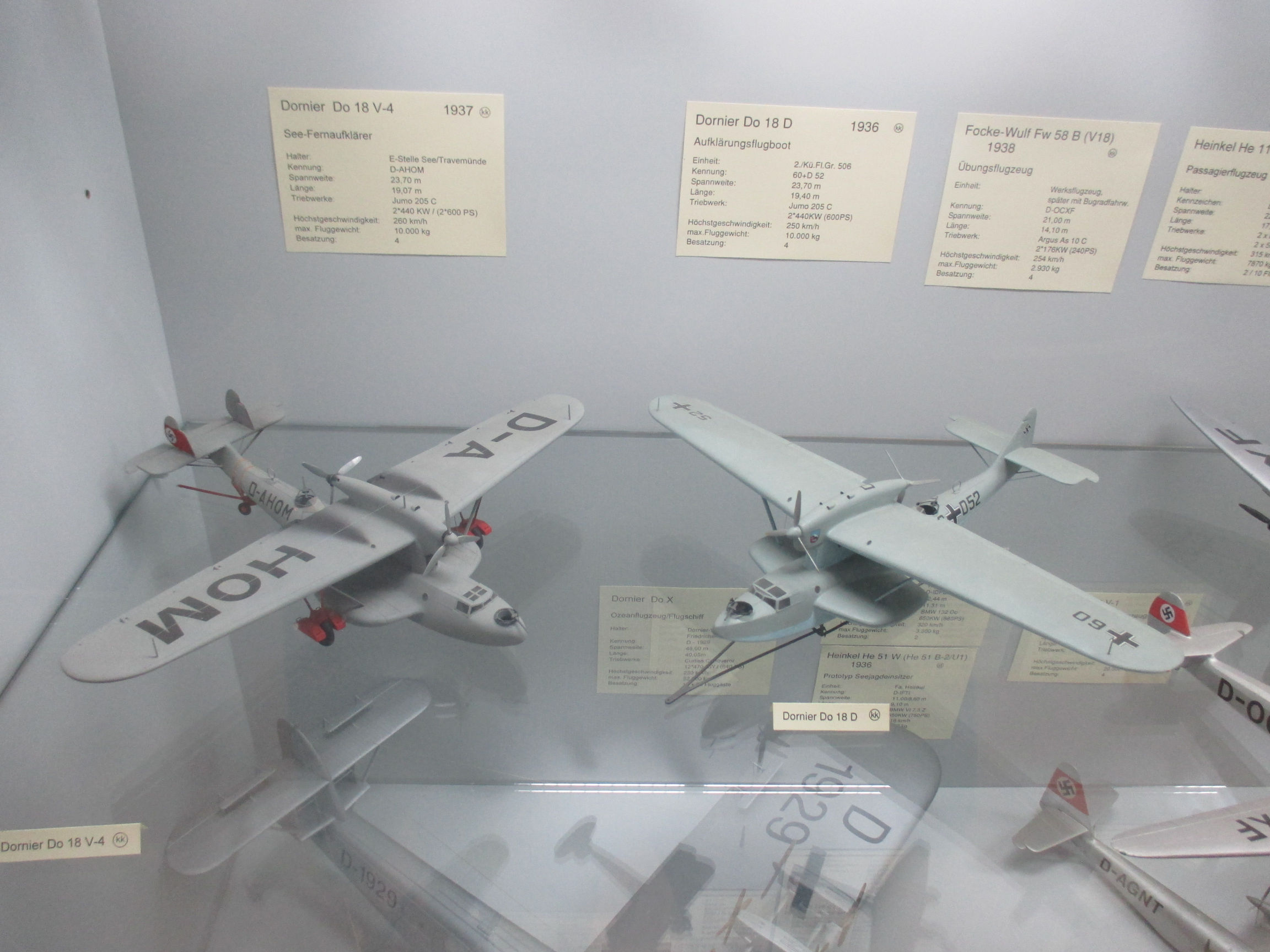
The original
Developed as an aerodynamic and materials-based continuation of the globally successful Dornier J “Wal” flying boat, initiated by Dornier Metallbauten GmbH in Friedrichshafen on Lake Constance in 1932 and offered to both the Army Weapons Office and Deutsche Luft Hansa, the Do 18 took off from the water for the first time in 1935.
In developing a wide range of applications for this type, Dornier, like much of the German aviation industry, benefited from the economic protection provided by the Reich Aviation Ministry from 1933 onwards.
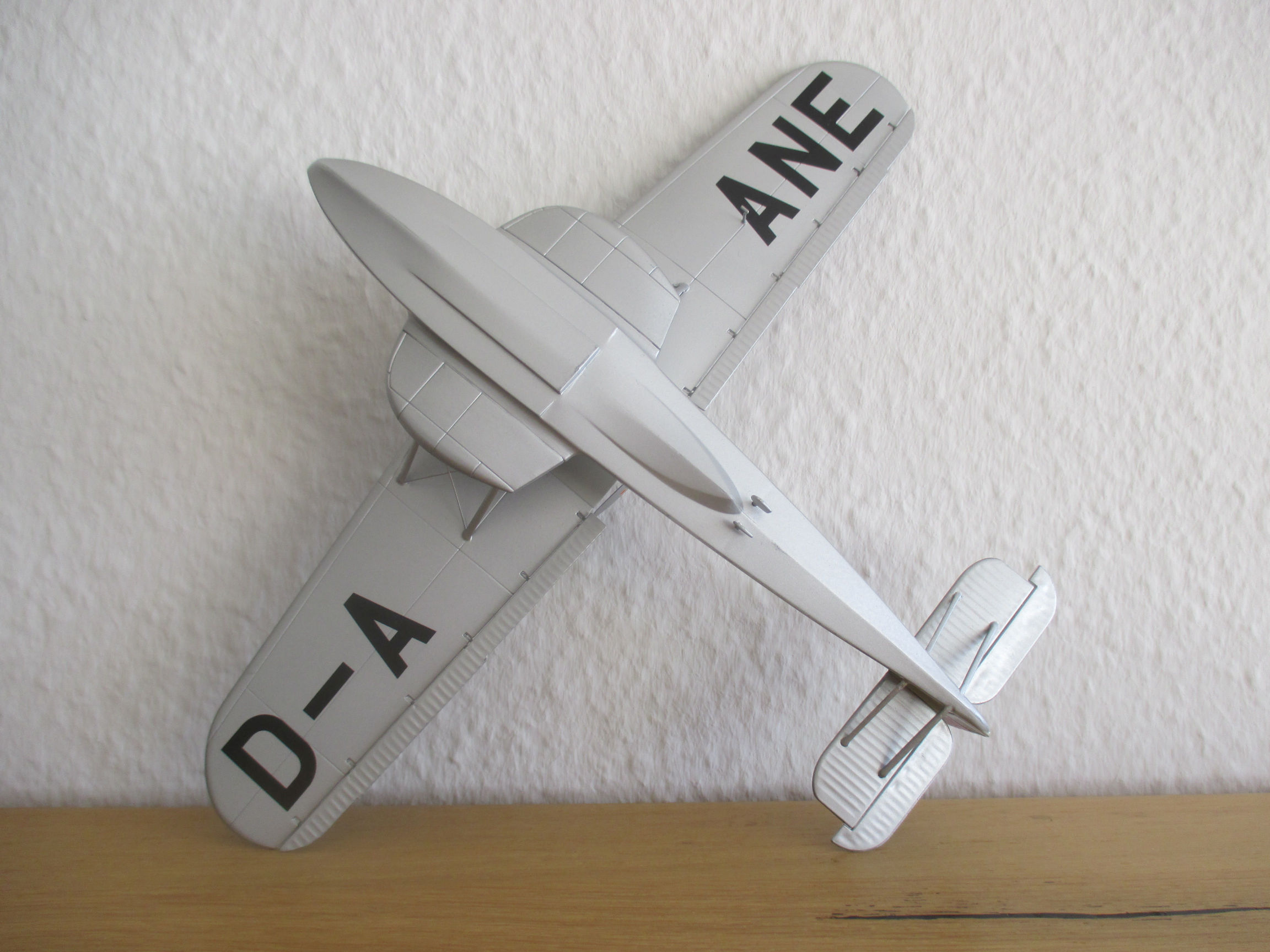
Innovative tradition
The design features of the aircraft followed the well-proven pattern of Dornier flying boats: a parasol wing mounted high above a slender hull with two centrally arranged inline engines in tandem configuration, driving a pull and a push propeller. In addition, patented stub fins on the sides of the hull provided additional lift in flight and stability on the water, as well as housing fuel tanks. Finally, there was the raised tailplane, raised above the water surface, and hull sections divided by bulkheads, which housed storage space, the cockpit, radio/navigation room, main tanks, and cargo compartment from the bow onwards. Particularly noteworthy were the two Junkers 205 C six-cylinder two-stroke diesel engines, a propulsion system that was successfully used in the commercial sector. All of this was installed in flowing lines with an aerodynamically appealing design.
Regular service & world record
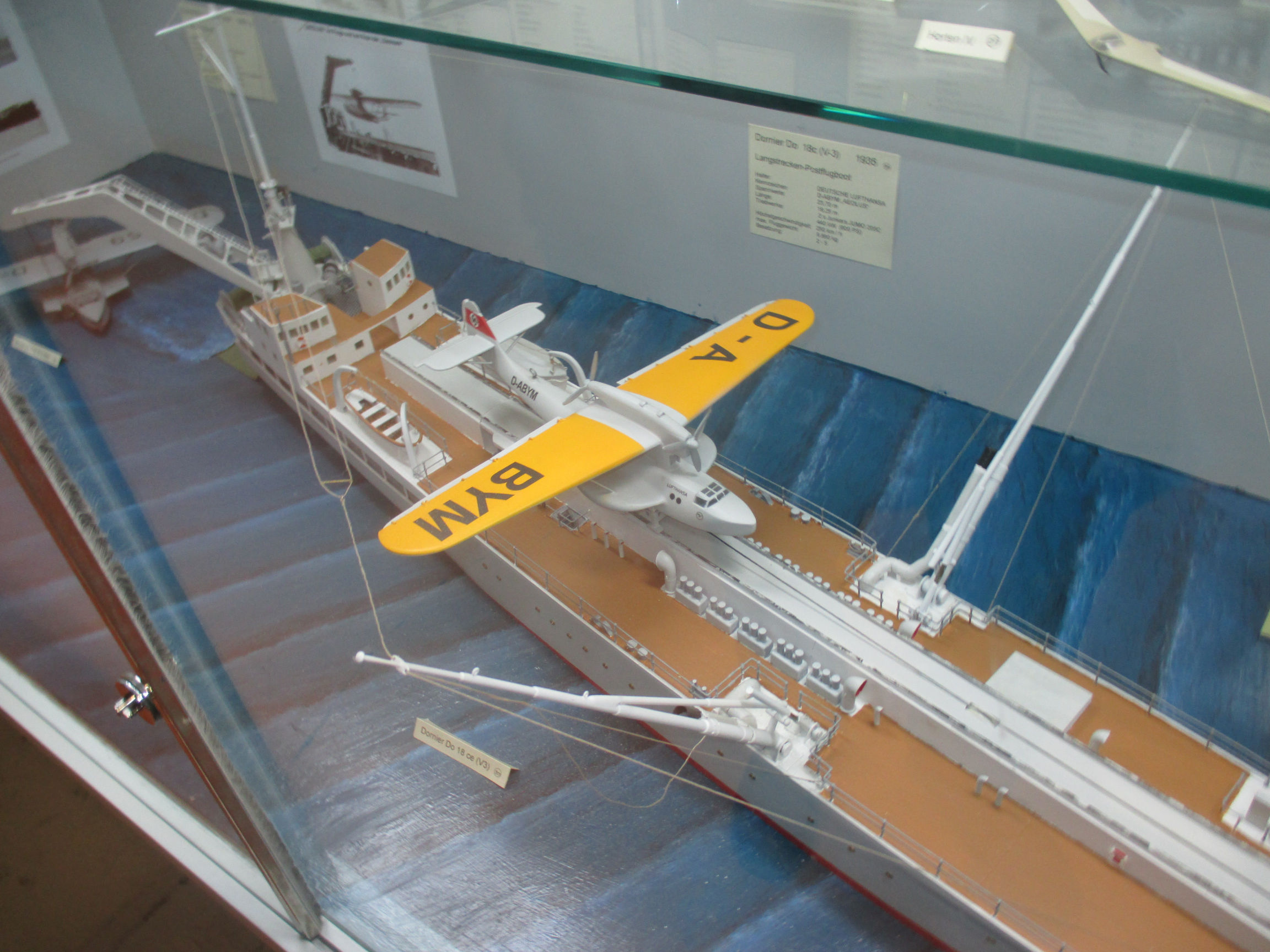
And this is how the Do 18 of the E series supplemented the Wal in Deutsche Luft Hansa's transatlantic mail and freight service from 1936 onward. It flew in a specially optimized version with increased wingspan and tank volume, manned by a crew from Luft Hansa and Dornier-Werk. It set a long-distance record for seaplanes with a non-stop flight of 8,392 km in 43 hours from the south coast of England to Caravelas in Brazil from March 27 to 29, 1938. A milestone in global aviation, this success secured the Do 18 international recognition in civil aviation – but only to a limited extent in the German Luftwaffe.
During the war
This model was only intended as a temporary solution until the three-engine BV 138 and Do 24 became available, which offered significantly higher operational reliability and performance. Nevertheless, the Do 18 D and G were used in the first two years of the war as armed maritime reconnaissance and sea rescue aircraft, particularly during the Battle of Britain. By the end of 1941, however, the type had been replaced by the previously mentioned models in frontline service and transferred to training units. Towards the end of the war, however, some aircraft were reactivated for submarine hunting in the Baltic Sea. Diesel fuel for the Junkers engines was generally more readily available than aviation fuel...
Data sheet Dornier Do 18 E (DLH)
Length 19.25 m, wingspan 23.70 m, empty weight 5,850 kg, take-off weight 10,000 kg, propulsion 2 x Junkers JuMo 205 C 6-cylinder inline engine with 2 x 600 hp, three-bladed propellers, maximum speed 260 km/h, range 3,500 km, crew 3 to 4, approximately 170 units of all series built.
Come on in!
Have we sparked your curiosity about our collections, which include over 40 originals and authentic replicas of sailplanes, light aircraft, commercial aircraft, and military aircraft. Additionally twice as many engines, hundreds of pieces of equipment, and our model collection? If so, we look forward to welcoming you to Ulmer Strasse at the Hanover Exhibition Grounds!
sb
You can contact the author of the Model of the Month series here: Autor-MdM